Axum & Yeha – Ethiopia’s Ancient Civilizations
Historical
Axum – Capital of the Aksumite Kingdom
Axum, in northern Ethiopia, was once the capital of the mighty Aksumite Empire (1st–7th centuries AD), a civilization that controlled trade routes between Africa, Arabia, and the Mediterranean. Today, Axum is a UNESCO World Heritage Site and a spiritual center of Ethiopian Orthodox Christianity.
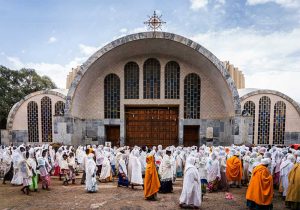
Visitors can marvel at the Obelisks of Axum, towering granite stelae that served as royal tomb markers, some rising over 20 meters high. The Church of St. Mary of Zion is believed to house the Ark of the Covenant, making Axum one of the most sacred destinations in Ethiopia. Other highlights include ancient royal tombs, inscriptions, and palace ruins that reveal Axum’s grandeur as one of the world’s earliest Christian kingdoms.
Highlights
- Obelisks of Axum – UNESCO‑listed granite stelae, some over 20 meters high.
- Church of St. Mary of Zion – sacred site believed to house the Ark of the Covenant.
- Queen of Sheba’s Palace – ruins linked to Ethiopia’s legendary monarch.
- Learn about the Axumite Empire's glory and influence
- Visit the King's Tombs and royal burial grounds
- See ancient inscriptions and Ge'ez carvings
- Archaeological Museum of Axum – coins, inscriptions, and artifacts from the empire.
- Historical Inscriptions – Ge’ez and Sabaean carvings documenting Axum’s achievements.
- Spiritual Atmosphere – festivals and pilgrimages that connect past and present.
Yeha – Ethiopia’s Oldest Temple
Yeha, located about 50 km northeast of Axum, is considered the cradle of Ethiopian civilization. Dating back to the 8th century BC, Yeha is home to the Great Temple of Yeha, the oldest standing structure in Ethiopia. Built in the Sabaean style, its massive stone blocks were fitted together without mortar, showcasing remarkable engineering and craftsmanship that has endured for nearly three millennia.
The site is often described as Ethiopia’s pre‑Axumite capital, linking the region’s early history to South Arabia. Archaeological remains, including ancient tombs and inscriptions, reveal a society that practiced complex religious rituals long before Christianity arrived. Yeha offers visitors a rare glimpse into Ethiopia’s earliest cultural and spiritual foundations, making it an essential stop for anyone exploring the roots of Ethiopian heritage.
Highlights
- Great Temple of Yeha – 8th‑century BC Sabaean temple, Ethiopia’s oldest standing structure.
- Ancient Tombs – burial sites that connect Yeha’s history to South Arabian traditions.
- Archaeological Remains – inscriptions and artifacts revealing pre‑Axumite culture.
- Pre‑Axumite Capital – Yeha as the foundation of Ethiopia’s ancient civilization.
- Cultural Continuity – a site that bridges Ethiopia’s pagan past with the rise of Axumite Christianity.
Gallery